How to Choose the Right Desert Safari, Dune Buggy, and Quad Biking Experience in Marsa Dubai
Understanding the Desert Safari Scene in Marsa Dubai
Marsa Dubai sits on the edge of the Arabian Desert, a landscape of rolling dunes and open sand that draws visitors and residents alike. Desert safaris have become a staple activity here, offering a mix of cultural touches, sunset views, and adrenaline. Among the most popular options are dune buggy rides and quad biking, which let you cover more ground and feel the terrain up close. But not every experience is the same. The quality of vehicles, the guiding standards, and the overall setup vary widely. Knowing what to look for helps you pick an outing that matches your expectations and keeps you safe.
This guide walks through the key decisions and checks you should make when choosing a desert safari that includes dune buggy and quad biking options. It covers vehicle types, safety measures, booking details, and what to expect on the day. By the end, you will have a clear sense of what matters and how to avoid common pitfalls.
Step 1: Decide Between a Dune Buggy and a Quad Bike
The first choice is which type of vehicle suits you better. Both are fun, but they handle differently and suit different riders and conditions.
Dune Buggies
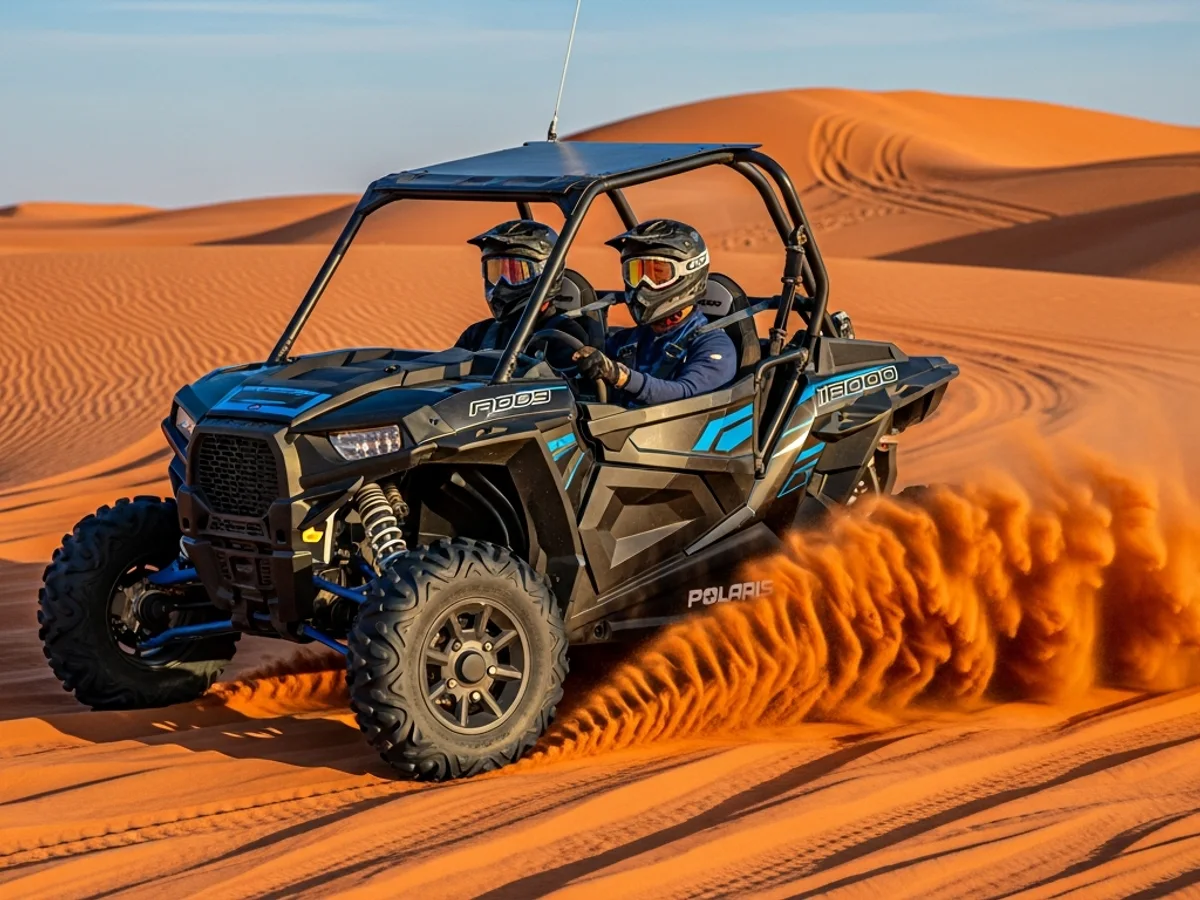
Dune buggies are small off-road vehicles, usually with a roll cage, seat belts, and a steering wheel. They seat two people side by side in many models, though some are single-seaters. The main advantage is stability. A dune buggy has a lower centre of gravity and a wider wheelbase than a quad bike, making it less likely to tip on steep dunes. If you are nervous about balance or want to share the experience with a passenger, a buggy is often the better choice. Buggy tours also tend to cover longer routes because the vehicle handles high speeds on soft sand more smoothly.
Watch out for the vehicle's condition. A worn buggy may have loose steering, weak brakes, or worn tyres that reduce grip. Ask about the age and maintenance schedule of the fleet. Reputable operators replace or service their buggies regularly. Also check whether the buggy has a proper harness rather than just a lap belt. On rough terrain, a full harness keeps you secure.
Quad Bikes
Quad bikes, also called all-terrain vehicles (ATVs), are ridden like a motorcycle with four wheels. They offer more direct control and are lighter than buggies, so they can feel more agile on the sand. Quads are a good choice if you have some experience with off-road vehicles or want a more physical ride. You lean into turns and shift your weight, which adds to the sense of engagement.
The main risk with quads is overturning. Novice riders sometimes accelerate too hard on a slope or turn sharply at speed, which can tip the bike. Look for a tour that provides a thorough safety briefing and includes a practice area before you hit the dunes. Also check that the quad has working lights, a kill switch, and adequate tyre tread. Deep sand requires wide, low-pressure tyres; narrow or worn tyres make the bike sink and become hard to steer.
Step 2: Evaluate the Safety Briefing and Equipment
Safety is the part of a desert safari that is easiest to overlook when you are excited to ride. A good operator treats it seriously from the moment you arrive.
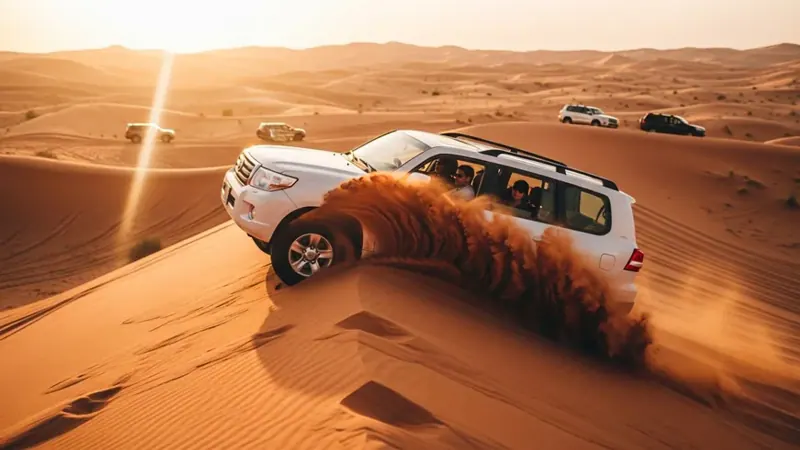
Desert Safari Dubai - Dune Buggy & Quad Biking Dubai is also on Instagram.
Before you book, ask about the safety briefing. It should cover how to start and stop the vehicle, how to brake on a downhill slope, what to do if you get stuck, and hand signals the guides will use. The guides should demonstrate the signals and confirm that everyone understands them. If the operator cannot describe their briefing process, that is a red flag.
Helmets are non-negotiable. On a quad bike, a helmet protects your head in the event of a fall. On a buggy, it protects against bumps inside the cabin and flying sand. Goggles are equally important. Sand gets into eyes quickly, especially when you follow another vehicle. The operator should provide clean, well-maintained helmets and goggles. If you have your own, check whether they meet local standards.
Clothing matters too. Long trousers and closed-toe shoes reduce the chance of burns from hot engine parts and protect against scrapes. Some operators provide overalls or boots. If they do not, wear your own. Avoid loose scarves or straps that could catch in moving parts.
Step 3: Check the Tour Route and Duration
Not all desert safaris cover the same ground. Some stay close to the road, while others head deep into the desert for a longer ride. The route affects both the experience and the physical demands.
Ask how many kilometres the ride covers and how long it takes. A typical dune buggy tour might last 30 to 60 minutes on a set track, while a quad biking session could be shorter because of the vehicle's lower top speed on soft sand. Longer tours often include stops at viewpoints or for photos. Make sure the duration matches your comfort level. If you have back problems or limited stamina, a shorter ride may be more enjoyable.
Watch out for tours that promise "unlimited riding" or "open desert" without defining the area. Unlimited can mean circling a small paddock. Look for specific details: a named conservation area, a known dune field, or a route description that mentions landmarks. Local businesses such as Desert Safari Dubai - Dune Buggy & Quad Biking Dubai operate in the dunes around Marsa Dubai and can give you a clear idea of the terrain before you book.
Also confirm whether the tour is guided or self-led. Guided tours are safer because you follow a leader who knows the terrain and can help if someone gets stuck. Self-led tours give more freedom but require you to navigate and manage your own safety. For first-timers, guided is almost always the better option.
Step 4: Understand the Vehicle Capacity and Group Size
Group size affects how much individual attention you get and how crowded the dunes feel. Small groups, typically six to ten vehicles, allow the guides to monitor everyone and respond quickly. Large groups can lead to dust clouds and longer waits at stops.
For quad biking, a small group is especially important because riders spread out. If there are too many, the dust reduces visibility and the risk of collision increases. For buggies, the main concern is the guide's ability to keep an eye on each vehicle. Ask about the maximum group size before you book.
Some operators offer private tours for an extra fee. If you want a more relaxed pace or have specific needs, such as a slower speed or extra practice time, a private tour may be worth the premium.
Step 5: Verify Inclusions and Hidden Extras
What is included in the price varies. Some packages cover only the ride, while others add refreshments, transport from your hotel, or a barbecue dinner. Read the booking details carefully.
Common extras to check:
- Transport to and from the desert. Some operators meet you at a central point; others pick you up from your hotel for an extra charge.
- Sandboarding or camel rides. These are often sold as add-ons and may not be included in the base price.
- Photography. Some tours include a photographer or allow you to bring a camera. Others restrict devices because of safety or privacy policies.
- Refreshments. Water is usually provided, but snacks or meals may cost extra.
If the price seems very low, ask what is missing. Extremely cheap tours often use older vehicles, skip safety gear, or cut corners on insurance. The trade-off is rarely worth it when your safety is on the line.
Step 6: Read Reviews with a Critical Eye
Online reviews give a sense of what to expect, but they need interpretation. Look for patterns rather than individual complaints or praise.
Pay attention to comments about vehicle condition, guide behaviour, and punctuality. If multiple reviews mention broken buggies or rude staff, take them seriously. Equally, if reviews rave about the experience but say nothing about safety, that may suggest the operator does not emphasise it. A good review will mention that the briefing was thorough or that the helmets were clean.
Also check when the reviews were written. A five-star review from three years ago may not reflect the current operation. Look for recent feedback, especially from the past six months. And remember that a handful of negative reviews among hundreds is normal. What matters is how the operator responds. A business that replies politely and offers to fix issues shows accountability.
Step 7: Confirm Insurance and Liability Policies
Desert activities carry inherent risk. Reputable operators carry insurance that covers participants for injury or vehicle damage. Ask directly about their insurance coverage before you book.
Some operators require you to sign a waiver that limits their liability. Read the waiver before signing. If it seems to waive all responsibility for negligence, consider whether you are comfortable with that level of risk. A fair waiver covers normal riding hazards but does not excuse the operator from maintaining safe vehicles and providing proper guidance.
If you have your own travel insurance, check whether it covers off-road vehicle activities. Many policies exclude motorised desert sports unless you add a specific rider. Knowing this ahead of time prevents surprises if something goes wrong.
Step 8: Prepare for the Day Itself
Once you have booked, a little preparation makes the experience smoother.
Arrive early. Most tours have a fixed departure time, and the briefing happens before the ride starts. If you are late, you may miss the safety talk, which is not something you want to skip. Bring water, sun protection, and a scarf or bandana to cover your mouth and nose in dusty conditions. A small backpack can hold these items, but check whether the operator allows bags on the vehicle.
Listen carefully during the briefing and ask questions if anything is unclear. Do not assume you will figure it out once you start. On the sand, the noise of the engine and the excitement of the dunes can make it hard to hear instructions. Confirm the hand signals and the meeting points before you set off.
During the ride, stay aware of your surroundings. Keep a safe distance from the vehicle ahead. If you feel uncomfortable at any point, signal the guide to slow down or stop. There is no shame in taking a break or riding at a pace that suits you. The goal is to enjoy the desert, not to prove anything.
One local option is Desert Safari Dubai - Dune Buggy & Quad Biking Dubai. They are based at Cascades Tower - Al Marsa St - Marsa Dubai - Dubai - United Arab Emirates and can be reached at +971 52 447 2719.